How to Document Property Damage for Insurance After Missouri Storms
Jump To
Missouri storms hit fast and leave a mess. One afternoon of hail, high winds, or flash flooding can put a homeowner in full panic mode, and then comes the part nobody enjoys: filing an insurance claim. Here's something most people don't realize until it's too late. Your documentation matters just as much as the damage itself. A thorough, organized record can mean the difference between a claim that pays out quickly and one that drags on for months.
If your home has taken on water or sustained storm damage, getting your evidence together right away is the smartest move you can make. Our team at ABC Environmental Contracting Services in Springfield has helped homeowners across the Ozarks navigate this process. This guide covers exactly what to document, how to do it, and what to bring when your adjuster shows up. If you're dealing with active storm-related water damage, don't wait on professional help while you document. Both can happen at the same time.
Damage doesn't wait. Neither should you.
ABC Environmental Contracting Services in Springfield offers 24/7 emergency response and free estimates within 24 hours. We serve Springfield, Branson, Nixa, Ozark, and surrounding communities.
Get a Free EstimateWhy Documentation Makes or Breaks Your Claim
Insurance adjusters work from evidence. They need photos, records, and a clear timeline to assess what happened and what the damage is worth. Without solid documentation, you're relying on a single inspection visit, and one walk-through can easily miss water intrusion behind walls, saturated subfloors, or hail damage on a back-facing roof slope.
According to FEMA's flood preparedness and recovery resources, thorough post-event documentation is one of the most important steps homeowners can take to protect their financial recovery after a disaster. Start documenting as soon as it is safe to move through your home or go outside.

Start photographing before anything is moved, dried out, or thrown away. More photos are always better at this stage.
Step-by-Step Photo and Video Evidence Guide
Grab your phone and start before anything gets cleaned up. Adjusters need to see the damage as it was, not after you've already started tidying. Here's exactly what to capture.
- Wide-angle shots of every affected room to show overall scope
- Close-ups of specific damage: waterlines, cracks, broken materials, and staining
- All four exterior sides of the home, plus the roof if safely accessible
- Damaged personal items, including serial numbers or model tags where possible
- Any standing water with a ruler or tape measure to indicate depth
- Gutters, soffits, siding, and window frames for hail and wind impact
A walk-through video is one of the most underused tools in property claims. Walk slowly, narrate what you see, and make sure your phone captures the date and time automatically. A five-minute video can tell the story of your damage better than 40 still photos ever could.
Written Records That Support Your Photos
Photos show the damage. Written records explain it and fill the gaps. Make an inventory of every damaged item with approximate age, original cost, and estimated replacement value. Keep receipts for any temporary repairs you make, such as tarping a roof or boarding a window. Many policies reimburse reasonable mitigation costs, so save everything.
Write down the date and time the storm hit, the sequence of events when you discovered damage, and every call or email to your insurer. The National Weather Service's post-flood safety guidance recommends keeping a running log of all damage-related actions and communications. Back everything up to cloud storage or email it to yourself so you always have a second copy.

An organized folder of your documentation makes the adjuster's job easier and your claim harder to dispute.
What to Document by Damage Type
Missouri storms bring a mix of threats. Focus your documentation based on what your property actually experienced.
| Damage Type | Priority Documentation | Pro Tip |
|---|---|---|
| Wind / Tornado | Roof, siding, broken windows, downed trees on structure | Shoot from a neighbor's yard for a better roof angle |
| Hail | Dents on gutters and HVAC, shingle granule loss, window screens | Place a ruler beside dents or hailstones for scale |
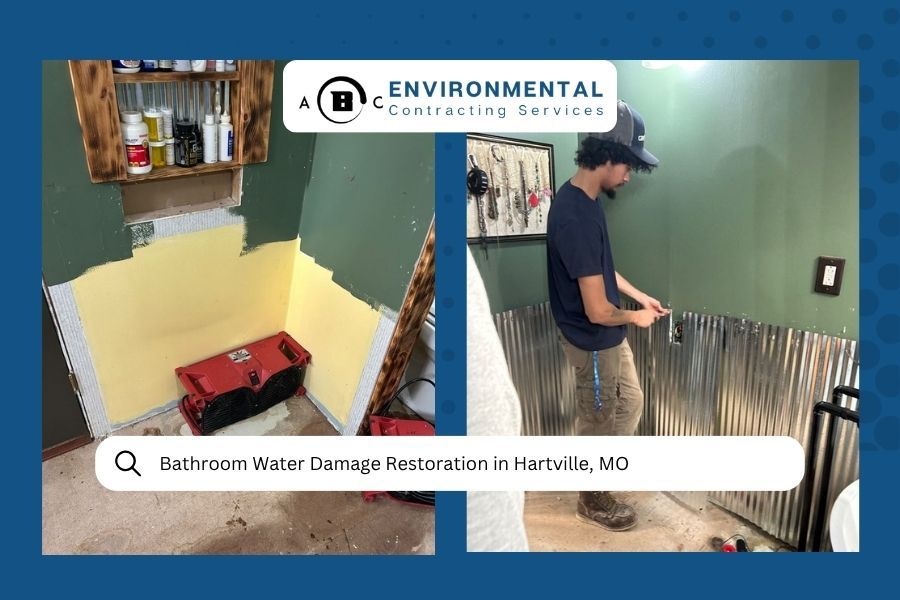
| Flooding / Water | Water lines on walls, saturated floors, wet insulation | Mark water line height on wall before drying starts |
| Lightning / Fire | Burn marks, char patterns, melted fixtures | Don't disturb until cleared by fire marshal |
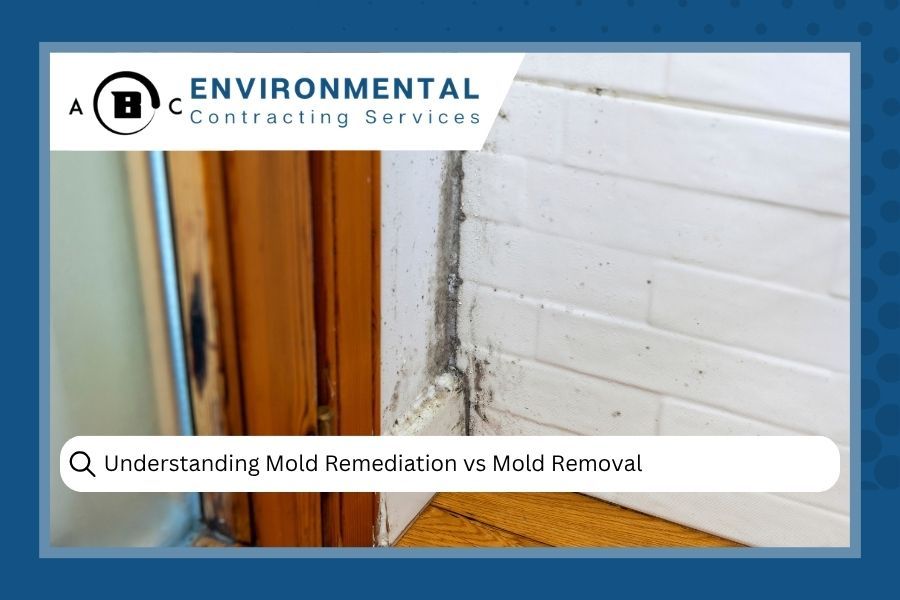
Water damage deserves extra attention because the worst of it often hides behind walls and under floors. Watch for early signs of mold growth following water intrusion, which can begin within 24 to 48 hours. Document anything suspicious and flag it for your adjuster. Our post on how humidity affects your home year-round explains how lingering moisture creates long-term problems well beyond the initial storm damage.
Preparing for the Insurance Adjuster

Roof damage is often the most significant part of a storm claim. Document it thoroughly before any repairs begin.
Have your photos and written inventory organized before the adjuster arrives. Print it or pull it up on your phone. If a restoration contractor has already assessed your home, bring their written report to the meeting. A professional damage assessment carries real weight and helps ensure hidden damage doesn't get overlooked.
One firm rule: do not make any permanent repairs before the adjuster visits. Temporary fixes like tarping a roof are expected and smart. Replacing materials before the adjuster can see them complicates your claim and may reduce your payout.
Our team at ABC Environmental Contracting Services in Springfield can provide a written damage assessment before your adjuster arrives. Read our post on when to call for emergency restoration help to understand when professional mitigation needs to happen right away. And if you want someone on-site, contact our team for a free estimate within 24 hours.
Frequently Asked Questions

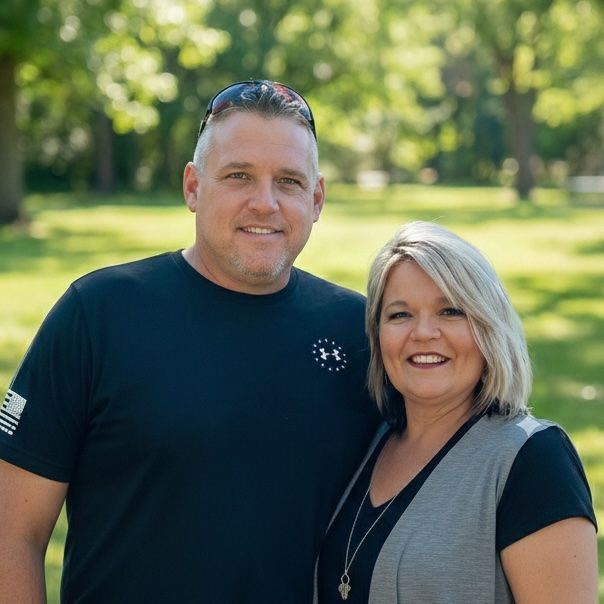
Dan and Tina Benton are the owners of ABC Environmental Contracting Services, a veteran-owned restoration company serving the Springfield, MO area. Together, they bring over two decades of expertise in water damage restoration, mold remediation, and asbestos removal for both residential and commercial properties. They're committed to serving their community with integrity and dedication, providing 24/7 emergency response when disaster strikes.