What to Do If You Find Mold in Your HVAC System in Reeds Spring
Jump To:
If you've spotted mold growing inside your HVAC system, you're dealing with more than a cosmetic problem. Mold in your ductwork or air handler pushes spores into every room each time the system kicks on. For homeowners in Reeds Spring, where Ozark humidity regularly drives moisture levels higher than most people realize, this is something our team at ABC Environmental Contracting Services in Springfield sees often. With the right steps, professional mold remediation can get your air quality back to where it should be.
How Do You Know There's Mold in Your HVAC System?
Mold doesn't always announce itself with visible growth. Sometimes the first clue is a musty smell the second your heating or cooling turns on. Other times, family members start sneezing more or dealing with unexplained headaches.
Here are the most common warning signs:
- A persistent musty or earthy odor that gets stronger when the HVAC runs
- Visible dark spots or discoloration around vents, inside ductwork, or on the air handler
- Increased allergy symptoms like sneezing, watery eyes, or congestion that worsen indoors
- Condensation or moisture buildup around registers and duct connections
- A recent water event, such as flooding, a leak, or high humidity that went unaddressed
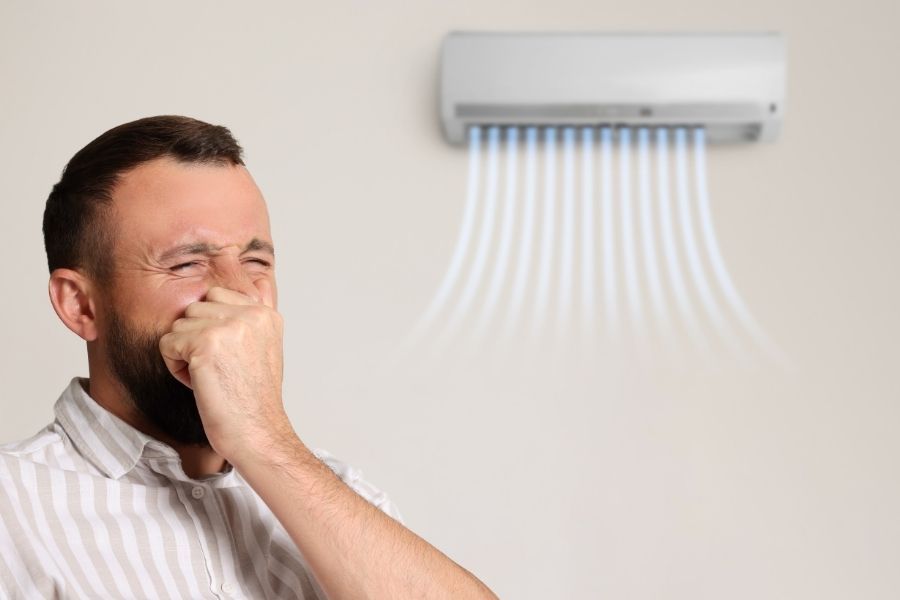
A musty smell when your AC kicks on is one of the first signs mold may be growing inside the system.
If any of this sounds familiar, don't ignore it. Your HVAC system is basically an express highway for mold spores through your entire house.
Why HVAC Mold Is a Serious Health Concern
Unlike mold on a bathroom wall, HVAC mold gets pushed into every room each time the system cycles. According to the EPA's guidance on mold and health, mold exposure can trigger allergic reactions, asthma attacks, and irritation of the eyes, skin, nose, and throat. For children, elderly family members, or anyone with a compromised immune system, the risks climb even higher.
⚠ What Makes HVAC Mold So Risky?
| Surface Mold (Wall, Ceiling) Affects one area. Spores settle locally. Easier to contain. |
HVAC Mold (Ducts, Air Handler) Spreads through every room. Entire house exposed. Requires system-wide remediation. |
The bottom line: mold hiding in your ductwork isn't a "wait and see" situation. It's actively affecting your indoor air quality every single day.
Worried About Mold in Your HVAC System?
Our IICRC-certified technicians can inspect your system and get your air quality back on track. We offer free estimates within 24 hours.
Get Help TodayWhat Should You Do Right Away?
Here are a few damage control steps to take before the professionals arrive:
- Turn off the HVAC system. Every time the blower runs, it's circulating spores throughout your home.
- Don't try to clean the ducts yourself. Scrubbing mold inside ductwork without containment can release more spores into the air and make things worse.
- Open windows if weather allows. Fresh air helps dilute the concentration of airborne spores.
- Document what you see. Photos of visible mold or moisture help the remediation team and can be useful for insurance.
- Call a certified mold remediation company. This isn't a job for a general HVAC technician. Mold removal requires specialized training and containment equipment.
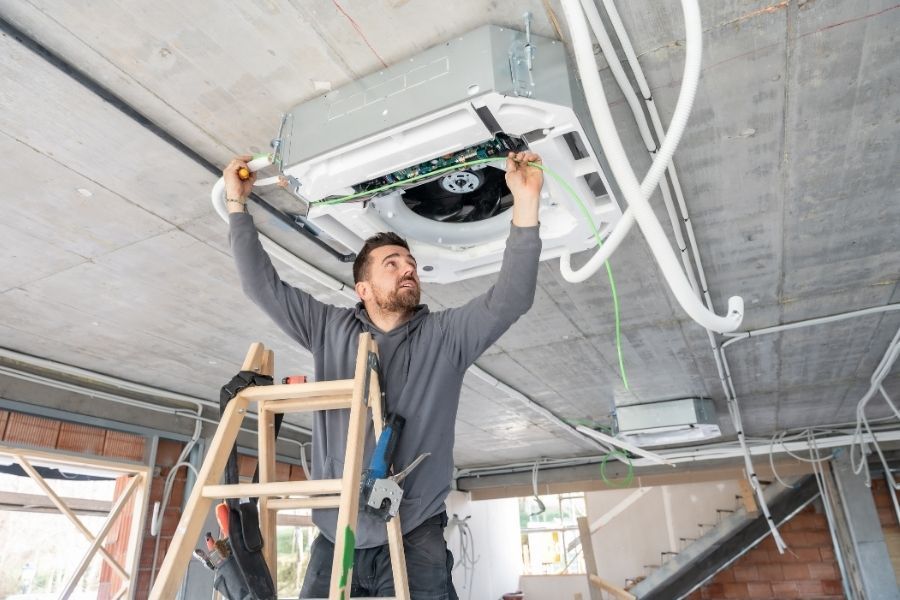
Mold inside HVAC units often hides in areas homeowners never see — a professional inspection is the only way to know for sure.
What Does Professional HVAC Mold Removal Look Like?
A thorough remediation process addresses the mold itself, the moisture that caused it, and the air quality in your home. Here's what to expect:
| Step | What Happens |
|---|---|
| Inspection | Technicians check the air handler, evaporator coil, drip pan, ductwork, and registers for mold growth and moisture sources. |
| Containment | The affected areas are sealed off to prevent spores from spreading to clean areas of the home during removal. |
| Removal | Mold is physically removed from duct surfaces, coils, and components using HEPA vacuuming and antimicrobial treatments. |
| Air Filtration | HEPA air scrubbers run throughout the process to capture airborne spores and improve indoor air quality. |
| Moisture Correction | The root cause of the moisture, whether it's a drip pan overflow, poor drainage, or high humidity, is identified and fixed. |
As we've covered before, humidity plays a big role in home damage year-round. If the moisture issue isn't fixed, the mold will come back no matter how thorough the cleaning.
Our team at ABC Environmental Contracting Services in Springfield uses IICRC-certified processes and follows the EPA's mold cleanup guidelines on every project. With over 20 years of experience across the Ozarks, we can tell you: cutting corners on HVAC mold removal always costs more in the long run.
How to Keep Mold Out of Your HVAC Going Forward
Once the mold is gone, the goal is to make sure it stays gone. Here's a simple checklist you can follow:
- Change your air filters regularly. Every 30 to 60 days during heavy use months.
- Keep indoor humidity below 50%. A basic hygrometer from any hardware store costs less than $15.
- Schedule annual HVAC maintenance. Have a technician clean the coils, check the drip pan, and inspect for moisture buildup.
- Ensure proper drainage. The condensate drain line should be clear and flowing freely. Blocked drains are one of the most common causes of mold in air handlers.
- Consider a UV light system. UV-C lights near the evaporator coil can inhibit mold growth between professional cleanings.
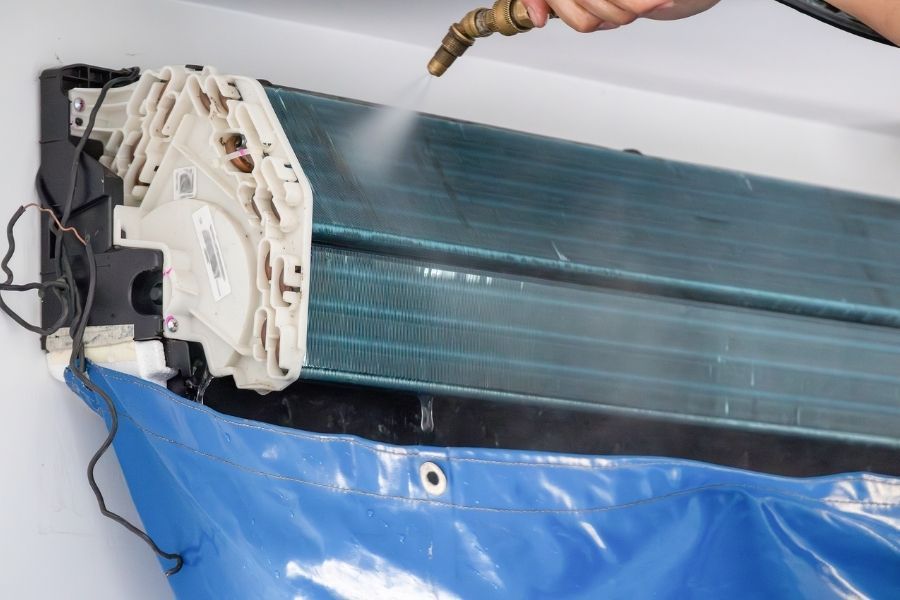
Coil cleaning is one of the most critical steps — mold thrives on the moisture that collects on evaporator coils.
Living in the Ozarks means dealing with humidity swings that can shift from bone-dry to oppressively thick in the same week. If you've had water damage from a leak or storm recently, your HVAC system may already be harboring hidden growth.
For more on mold risks, check out our articles on whether black mold can make you sick and when to call professionals vs. trying DIY mold removal.
Serving Reeds Spring and the Entire Ozarks Region
ABC Environmental Contracting Services in Springfield is veteran-owned, IICRC-certified, and backed by over 20 years of experience. 24/7 emergency response. Free estimates.
Schedule Your Free EstimateFrequently Asked Questions
Can mold in HVAC ducts make my whole house smell musty?
Yes. Your HVAC circulates air through every room, so even a small mold colony in the ductwork can produce a musty odor throughout the house. The smell is usually strongest when the system first kicks on after sitting idle.
Is it safe to run my HVAC if I suspect mold inside?
Turn it off until a professional inspects the system. Running the HVAC while mold is present pushes spores into every room. Open windows for ventilation while you wait.
How long does HVAC mold remediation usually take?
Most residential projects take one to three days depending on severity. This includes inspection, containment, removal, air filtration, and fixing the moisture source that caused the problem.
Will regular duct cleaning prevent mold from growing in my HVAC?
Duct cleaning helps, but it's not a guarantee. Mold needs moisture, so controlling humidity, maintaining drainage, and changing filters regularly matter more. Annual maintenance combined with humidity monitoring is your best defense.


Dan and Tina Benton are the owners of ABC Environmental Contracting Services, a veteran-owned restoration company serving the Springfield, MO area. Together, they bring over two decades of expertise in water damage restoration, mold remediation, and asbestos removal for both residential and commercial properties. They're committed to serving their community with integrity and dedication, providing 24/7 emergency response when disaster strikes.