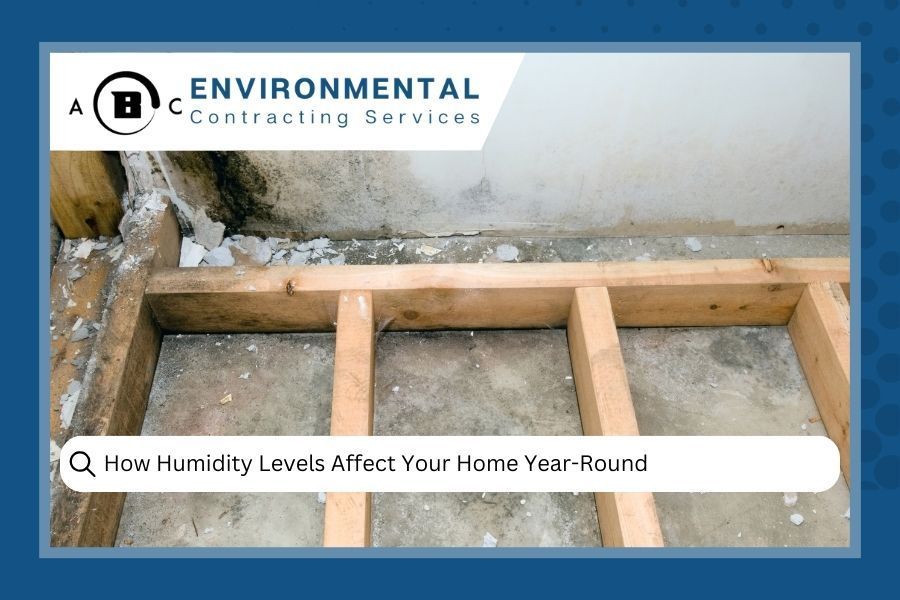
How Humidity Levels Affect Your Home Year-Round
Jump To:
Humidity is one of those things most homeowners don't think about until something goes wrong. Too much moisture in your home can lead to mold growth, structural damage, and poor indoor air quality. Too little can cause cracked wood, static electricity, and respiratory discomfort. At ABC Environmental Contracting Services in Springfield, we've spent over 20 years helping families across the Ozarks deal with professional mold remediation issues that often start with uncontrolled humidity.
The good news? Understanding how humidity affects your home throughout the year puts you in control. Let's break down what you need to know.
Why Humidity Matters for Your Home
Indoor humidity levels directly impact your home's health and your family's comfort. The ideal range sits between 30% and 50% relative humidity. Go above 60%, and you're creating perfect conditions for mold and dust mites. Drop below 30%, and you'll notice dry skin, irritated sinuses, and warping hardwood floors.
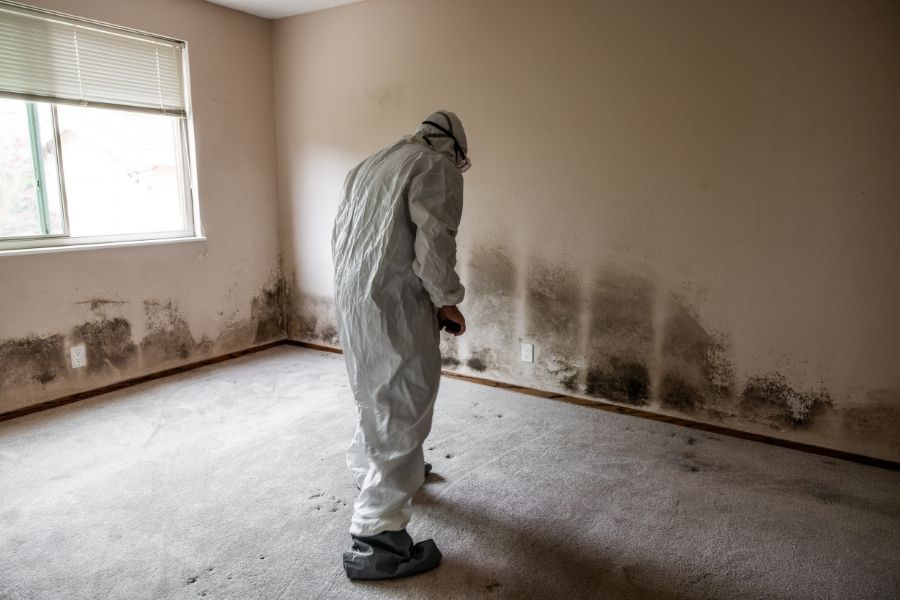
Regular inspections help catch moisture problems before they become mold issues.
According to the EPA's guidance on mold and health, controlling moisture is the key to preventing mold growth indoors. Mold spores exist everywhere. They only become a problem when they find damp surfaces to colonize.
How Humidity Changes Throughout the Year
Here in the Ozarks, we experience dramatic seasonal shifts that challenge every homeowner's ability to maintain balanced indoor moisture. Our team responds to humidity-related damage calls year-round, and the patterns are predictable.
Spring: The Sneaky Season
Spring brings rain, thawing ground, and temperature swings. Your basement becomes vulnerable as groundwater levels rise. Crawl spaces trap moisture from the warming earth below. Many homeowners first notice musty odors during this season, not realizing weather patterns directly affect mold growth in basements.
Summer: Humidity at Its Peak
Missouri summers mean sticky, humid air. Your air conditioner works double duty, pulling moisture from indoor air while cooling it. Problems arise when AC systems can't keep up or when you open windows during muggy evenings. Bathrooms, kitchens, and laundry rooms become hotspots for condensation.
Worried About Moisture in Your Home?
Our team provides free estimates within 24 hours. We'll identify the source of your humidity problems and recommend solutions that actually work.
Get Your Free EstimateFall: Transition Time
Fall catches many homeowners off guard. Temperature drops while humidity lingers. You're not running the AC anymore, so moisture accumulates. This is prime time for checking attic ventilation and addressing any summer damage before winter sets in.
Winter: The Dry Side of Trouble
Winter flips the script. Heating systems dry out indoor air significantly. But here's the twist: warm indoor air meeting cold exterior walls creates condensation. That moisture collects in wall cavities and attic spaces where you can't see it. By spring, you might discover mold that's been growing silently for months.
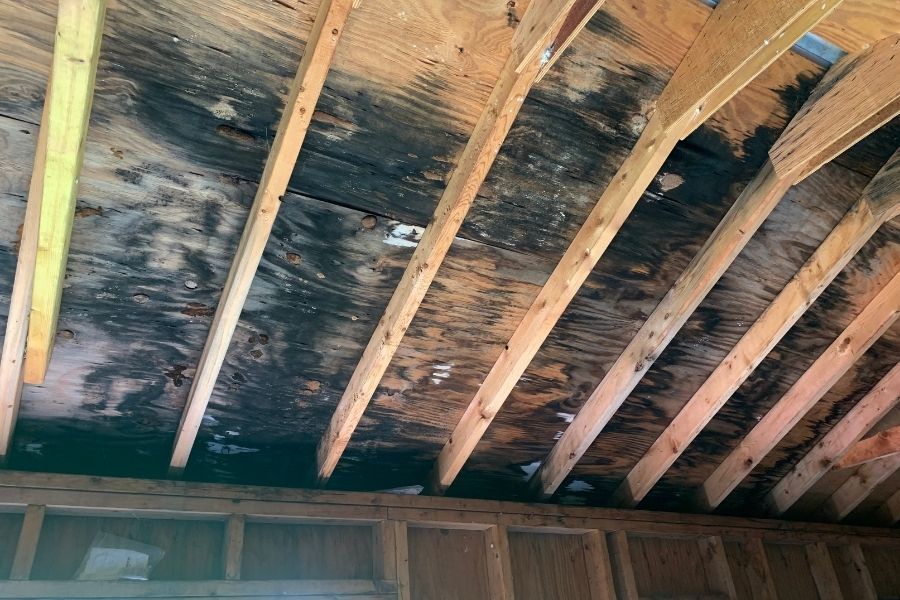
Attic mold often develops from condensation issues during winter months.
Warning Signs of Humidity Problems
Your home gives you signals when humidity levels are off. Learn to recognize them early.
| High Humidity Signs | Low Humidity Signs |
|---|---|
| Condensation on windows | Static electricity shocks |
| Musty or moldy odors | Cracking wood furniture |
| Peeling paint or wallpaper | Gaps in hardwood flooring |
| Visible mold spots | Dry, itchy skin and eyes |
| Warped doors that stick | Increased respiratory irritation |
If you're noticing multiple signs from the high humidity column, it's time to investigate further. The EPA's guide on home moisture problems recommends addressing any persistent dampness immediately to prevent structural damage and health concerns.
Protecting Your Home Year-Round
Consistent humidity control requires attention throughout the seasons. Here's what actually works.
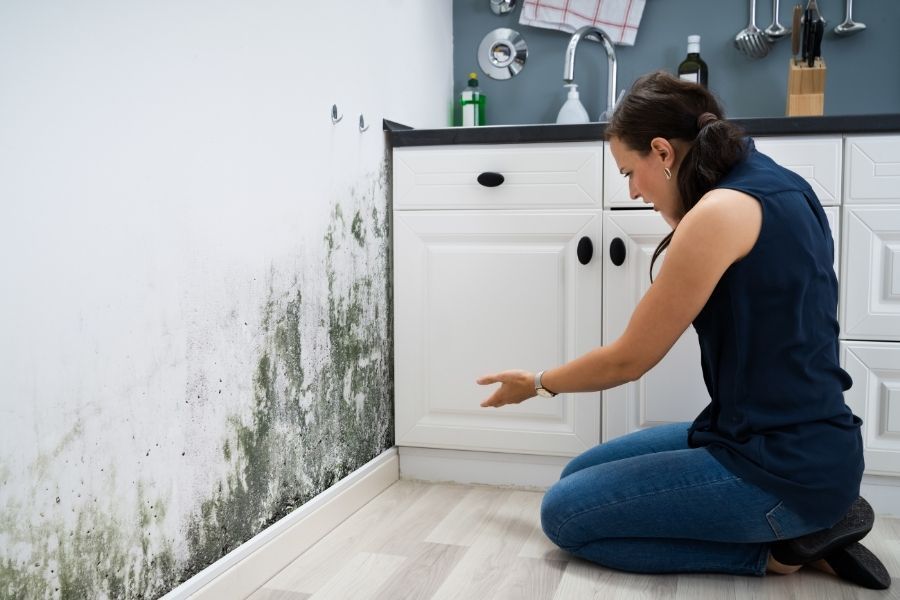
Kitchen moisture problems require prompt attention to prevent spread to adjacent areas.
Your Humidity Control Checklist
Spring: Check basement and crawl space for moisture intrusion. Clean gutters and ensure downspouts direct water away from foundation.
Summer: Run exhaust fans during cooking and bathing. Consider a whole-house dehumidifier if AC alone isn't cutting it.
Fall: Inspect attic ventilation. Look for signs of condensation around windows as temperatures drop.
Winter: Use a humidifier if indoor air drops below 30%. Check for ice dams that can force moisture into your roof.
When humidity problems persist despite your best efforts, professional assessment becomes essential. Our veteran-owned team at ABC Environmental Contracting Services in Springfield has helped countless Ozarks families identify hidden moisture sources. Sometimes the issue isn't obvious, and that's where water damage restoration expertise makes the difference.
We've seen how quickly humidity damage escalates. A small leak becomes a major mold problem within 48 to 72 hours under the right conditions. That's why we offer 24/7 emergency response and free estimates within 24 hours. You shouldn't have to wait when moisture is threatening your home.
For more information on recognizing when professional help is needed, check out our guide on signs your home needs professional mold testing after summer humidity.
Frequently Asked Questions
What humidity level causes mold to grow?
Mold typically begins growing when indoor humidity exceeds 60% for extended periods. However, localized moisture from leaks or condensation can create mold-friendly conditions even when overall humidity seems normal. The key is addressing any damp areas quickly, regardless of what your hygrometer says.
How can I measure humidity in my home?
A digital hygrometer provides accurate humidity readings and costs between $10 and $30 at most hardware stores. Place units in your basement, main living area, and any rooms where you suspect moisture problems. Check readings at different times of day since humidity fluctuates.
Does running the AC reduce humidity?
Yes, air conditioning naturally removes moisture from indoor air as part of the cooling process. However, an oversized AC unit may cool your home too quickly without running long enough to adequately dehumidify. If your home feels clammy even with AC running, a standalone dehumidifier or HVAC assessment might be needed.
When should I call a professional about humidity issues?
Contact a restoration professional if you notice persistent musty odors, visible mold growth, water stains on walls or ceilings, or if your humidity consistently exceeds 60% despite using dehumidifiers. Also seek help after any water intrusion event, since hidden moisture can cause problems you won't see until significant damage has occurred.
Need Help With Humidity Damage?
ABC Environmental Contracting Services in Springfield offers free estimates and 24/7 emergency response for water damage and mold issues. With over 20 years of experience serving the Ozarks, we're the team you can trust.
Contact Our Team Today

Dan and Tina Benton are the owners of ABC Environmental Contracting Services, a veteran-owned restoration company serving the Springfield, MO area. Together, they bring over two decades of expertise in water damage restoration, mold remediation, and asbestos removal for both residential and commercial properties. They're committed to serving their community with integrity and dedication, providing 24/7 emergency response when disaster strikes.