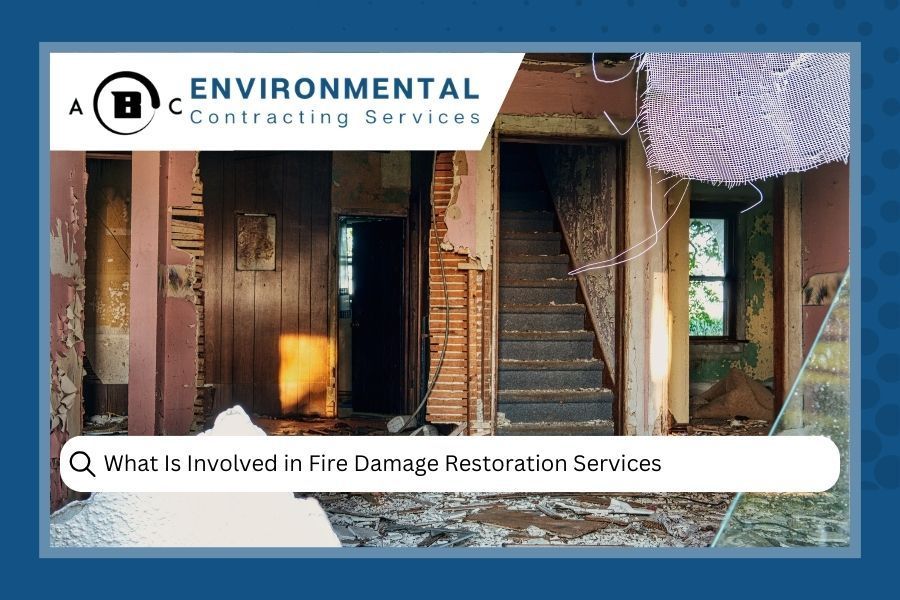
What Is Involved in Fire Damage Restoration Services
Jump To
A house fire is one of the most overwhelming things a homeowner can go through. Even after the flames are out, you're left staring at blackened walls, a sharp smell that seems baked into everything, and no idea where to start. That's where professional fire damage restoration comes in, and understanding what the process looks like can make a difficult situation feel a lot more manageable.
Our team at ABC Environmental Contracting Services in Springfield has worked with homeowners across Springfield, Branson, Nixa, and the Ozarks for over 20 years. Fire jobs are rarely simple, but they're also not hopeless. Here's an honest breakdown of what restoration involves.
What Fire Damage Really Means for Your Home
Most people think of fire damage as burned and charred materials. That's part of it, but smoke and soot often cause more widespread damage than the fire itself. Smoke travels through walls, into HVAC systems, across ceilings, and into rooms that never saw flames. Water from firefighting adds another layer, soaking into drywall and flooring fast enough that mold can set in within days if it isn't dried out properly.
According to the USFA guide to recovering after a fire, the structural, smoke, and water components of a fire loss all require separate attention, and the order in which you address them matters.
Dealing with fire or smoke damage right now?
Our team is available 24/7 for emergency response. Free estimates within 24 hours, satisfaction guaranteed.
Get Help TodayStep 1: Emergency Response and Safety Assessment
Before any cleaning or rebuilding begins, the property has to be evaluated for safety. Structural integrity, electrical hazards, and air quality all need a trained eye before anyone spends time inside. Our crew arrives, walks the property, documents the damage thoroughly, and builds a restoration plan from what we find. If the structure needs to be secured against weather or unauthorized entry, board-up services happen immediately.
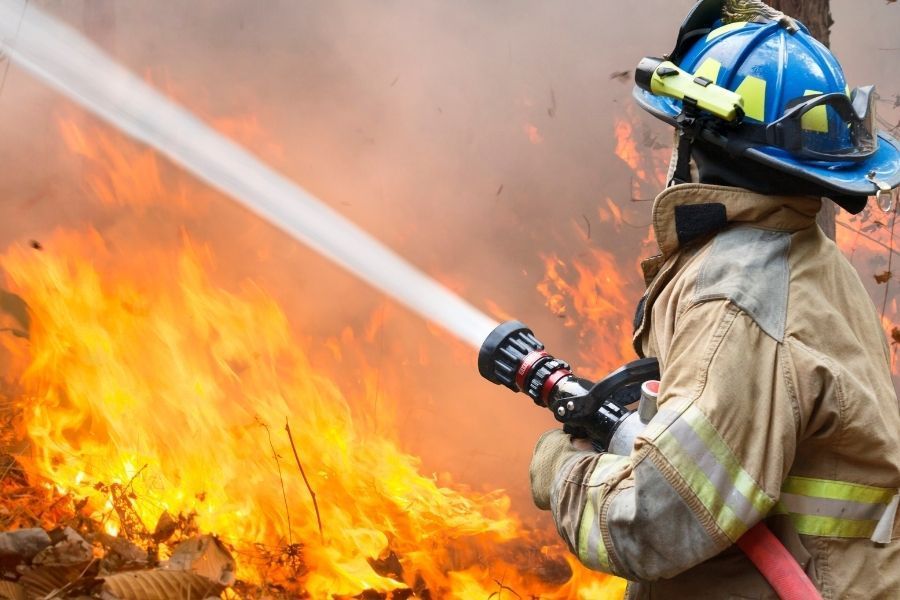
A thorough initial assessment shapes the entire restoration plan and prevents costly surprises later.
Step 2: Soot and Smoke Cleanup
This is where most of the hands-on work happens, and it's where DIY attempts tend to go wrong. Soot is chemically active. Left on surfaces, it keeps damaging them, etching into paint, discoloring materials, and driving odor compounds deeper. Different surfaces need different cleaning methods: dry chemical sponges for painted walls before any wet cleaning, sanding or sealing for porous wood, specialized solutions for fabrics and contents.
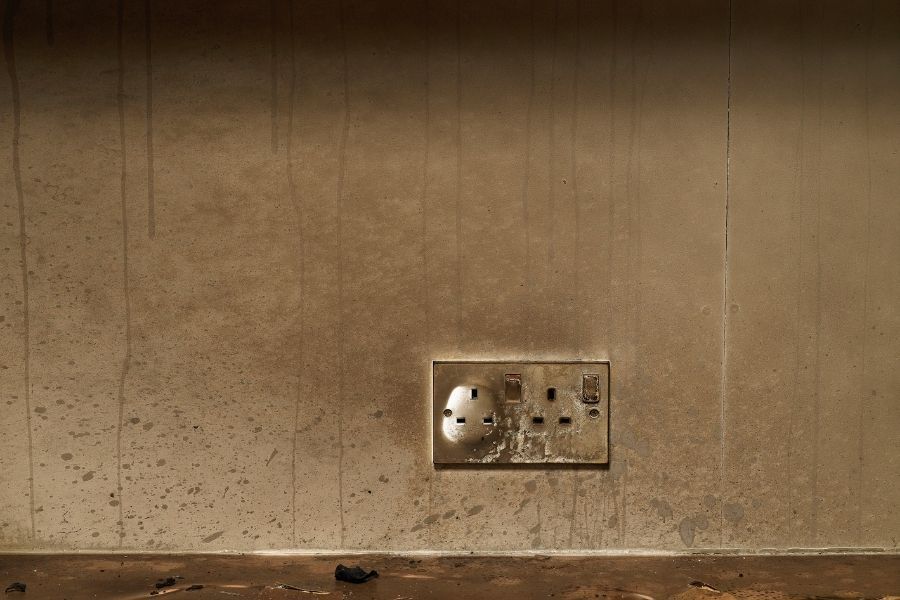
Soot-covered walls require professional cleaning methods, not household products that can push residue deeper into surfaces.
The IICRC S700 standard for fire and smoke damage restoration outlines the protocols restoration teams use for different residue types and building materials. It's the industry benchmark our crew trains against.
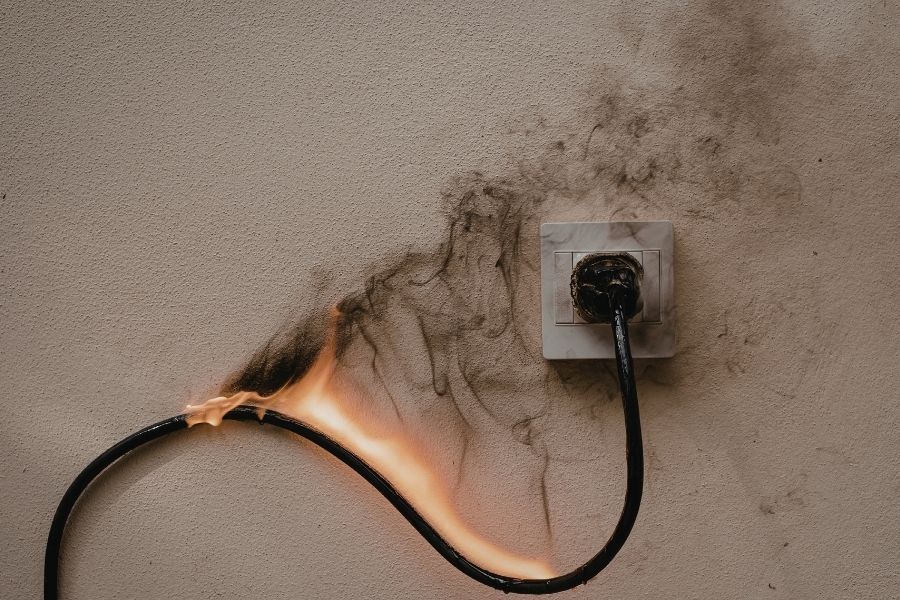
Smoke staining spreads far beyond where the fire occurred. Cleaning every affected surface is essential for lasting odor removal.
Personal belongings and furniture caught in the damage can often be recovered through professional content cleaning when treated early. The longer you wait, the smaller that window gets.
Step 3: Odor Removal and Air Treatment
Smoke odor isn't something you can cover up with a candle and some ventilation. It has to be neutralized at the molecular level, which takes professional equipment and time.
Most jobs require more than one of these methods. A single treatment rarely covers everything, especially in homes where smoke moved freely through open floor plans.
Steps 4 and 5: Restoring What Can Be Saved, Then Rebuilding
Not everything that looks damaged is a total loss. Experienced restoration crews know how to evaluate what's salvageable. Our team uses moisture meters to find water damage hiding in subfloors and wall cavities that the eye can't see. Left unaddressed, that moisture leads to mold. If you're not sure how quickly that timeline moves, our post on when to call for emergency restoration services covers that window plainly.
Before running your HVAC after a fire, it needs to be inspected and cleaned. A contaminated system just distributes soot and odor to every room in the house. It's a mistake that creates a lot of extra work and a lot of frustration.
Once cleaning and drying are complete, reconstruction begins. Scope varies from replacing drywall to full structural rebuilds. Our team at ABC Environmental Contracting Services in Springfield handles both restoration and reconstruction, so you're not handing off a half-finished job to a second contractor. You can read how that played out in our Springfield fire damage restoration case study. For anyone dealing with hidden moisture after a fire, our guide on how humidity affects your home year-round explains why it has to be fully resolved.
Fire damage restoration takes time when it's done right. But done right, most homes can be fully brought back.
Frequently Asked Questions About Fire Damage Restoration
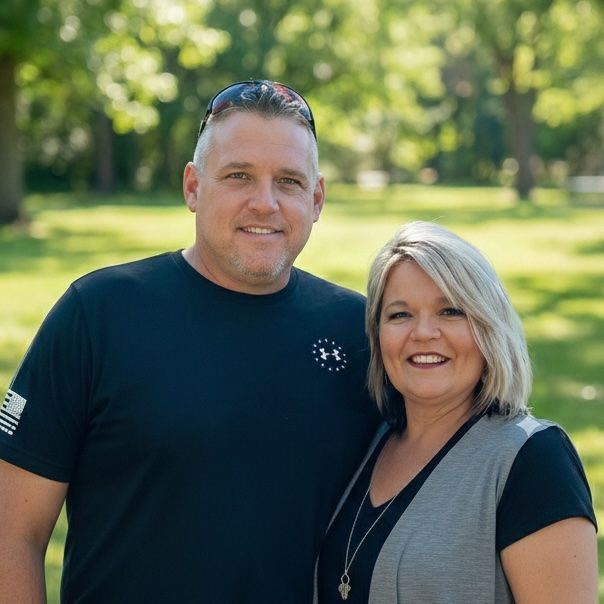
Dan and Tina Benton are the owners of ABC Environmental Contracting Services, a veteran-owned restoration company serving the Springfield, MO area. Together, they bring over two decades of expertise in water damage restoration, mold remediation, and asbestos removal for both residential and commercial properties. They're committed to serving their community with integrity and dedication, providing 24/7 emergency response when disaster strikes.