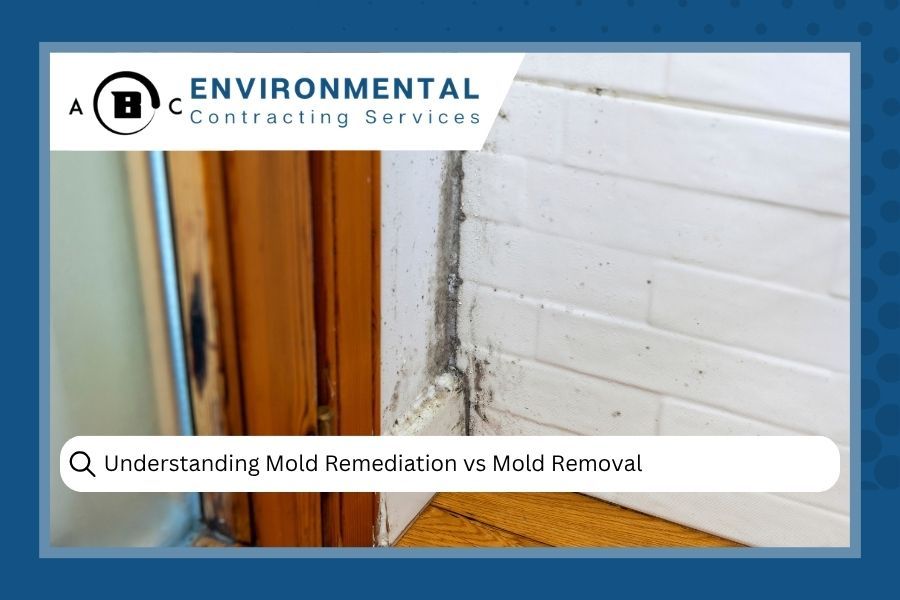
Understanding Mold Remediation vs Mold Removal
Jump To:
If you've ever searched for help with a mold problem, you've probably noticed two terms that seem interchangeable: mold remediation and mold removal. They sound similar, and they're used in the same conversations. But they describe very different approaches to dealing with mold in your home. Our team at ABC Environmental Contracting Services in Springfield has spent over 20 years providing professional mold remediation across the Ozarks, and this confusion is one of the most common things we hear from homeowners.
What's the Difference Between Mold Remediation and Mold Removal?
Mold removal means physically taking mold off surfaces. Mold remediation means addressing the full problem, from identifying the moisture source to restoring safe mold levels throughout the home. One is a task. The other is a process.
Think of it this way: if your roof is leaking and water pools on your living room floor, mopping up the water is "removal." Fixing the roof, drying the structure, and replacing damaged materials is "remediation." Both matter, but only one solves the actual problem.
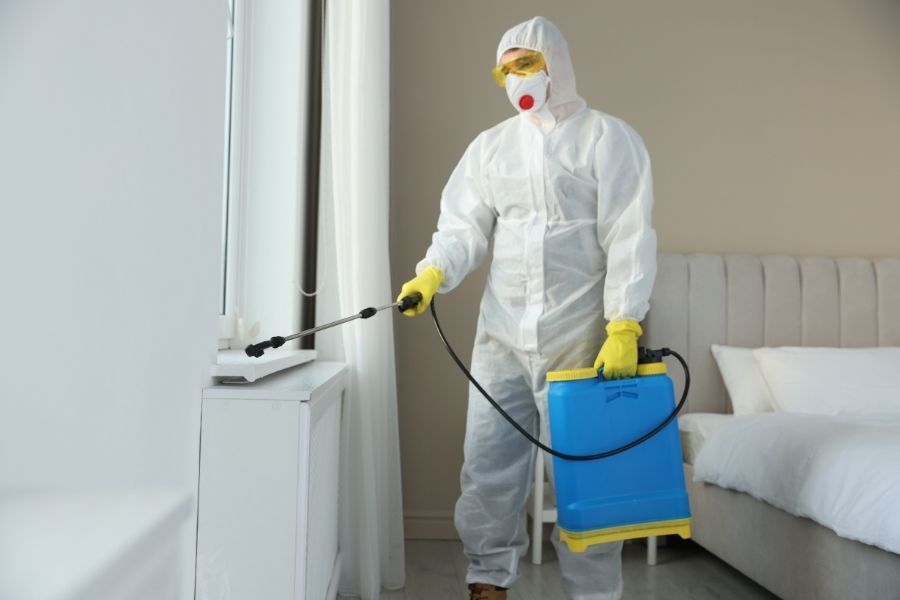
Remediation goes beyond wiping mold off the surface, it includes treating the affected area to prevent regrowth.
Can You Fully Remove Mold From a Home?
Here's the honest truth: you can't eliminate every single mold spore from any building. Mold spores exist naturally in outdoor and indoor air. They're microscopic, and they're everywhere. According to the EPA's mold cleanup guidelines, the goal isn't zero mold. It's returning mold levels to normal, safe concentrations.
Companies that promise "complete mold removal" are either oversimplifying or misleading you. A trustworthy contractor will explain that the real goal is remediation, bringing your home back to healthy conditions and keeping it there.
Think You Might Have a Mold Problem?
Our team provides free estimates within 24 hours. We'll find the source, explain your options, and get your home back to safe conditions.
Get Your Free EstimateWhat Does the Mold Remediation Process Look Like?
Professional mold remediation follows a structured sequence. Skipping any step is a recipe for the mold showing back up in a few weeks. Here's what a certified crew actually does.
Inspection and Containment
Technicians start by inspecting the property with moisture meters and thermal imaging cameras to find every affected area, including spots hidden inside wall cavities or under flooring. Then the work zone gets sealed off with plastic sheeting and negative air pressure to keep spores from spreading to clean rooms.
Filtration, Cleaning, and Material Removal
HEPA-filtered air scrubbers run throughout the project. The IICRC S520 standard for mold remediation requires this kind of filtration for professional work. Porous materials like drywall, carpet, and insulation that have been colonized usually can't be saved and get disposed of properly. Non-porous surfaces are cleaned with antimicrobial solutions.
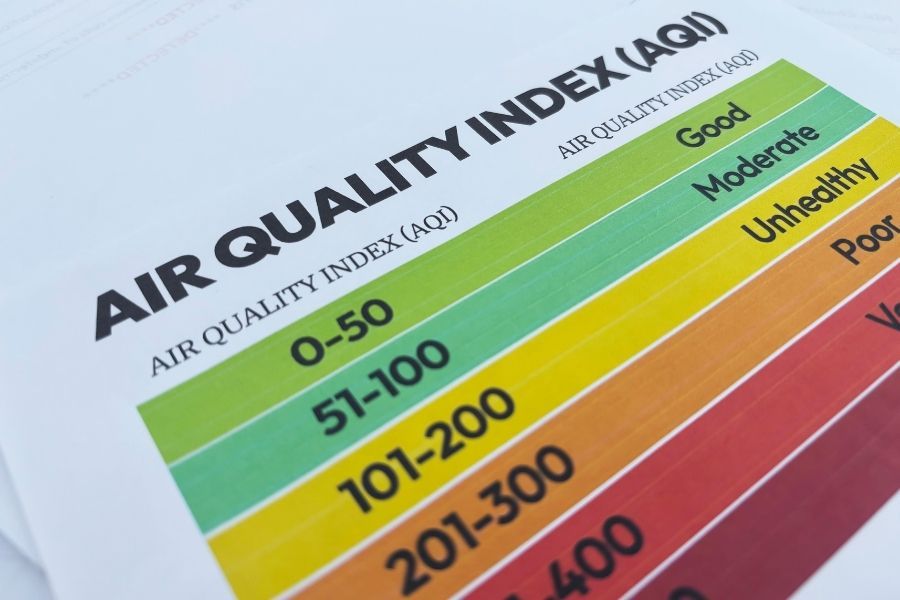
Indoor air quality testing is one of the key steps that separates true remediation from surface-level mold removal.
Drying, Moisture Correction, and Restoration
This is where most DIY attempts fall apart. After the visible mold is gone, the moisture source must be identified and corrected. Professional crews use dehumidifiers and monitoring equipment to confirm the space is dry before rebuilding. Then new drywall goes up, fresh paint goes on, and post-remediation testing verifies that mold levels have returned to normal.
Remediation vs. Removal: Side-by-Side Comparison
| Mold Removal | Mold Remediation | |
|---|---|---|
| Goal | Remove visible mold from surfaces | Restore safe, normal mold levels throughout the home |
| Root Cause? | No | Yes, identifies and corrects moisture source |
| Containment? | Rarely | Always, with negative air pressure |
| Recurrence Risk | High, moisture problem remains | Low, source is corrected |
| Best For | Small surface mold on non-porous materials | Any mold problem over 10 sq ft or in porous materials |
| Industry Standard | No formal standard | IICRC S520 |
When Should You Call a Professional?
Small mold patches on non-porous surfaces, like a bit of mildew on bathroom tile, can often be handled with a store-bought cleaner. But once the affected area exceeds about 10 square feet, or if mold has reached porous materials like drywall and carpet, it's time to call a certified team. Here are other situations where professional help is the right move:
- You can smell mold but can't see it (hidden growth behind walls or under floors)
- Mold appeared after water damage from a leak, flood, or burst pipe
- Anyone in the home has allergies or respiratory issues that seem to be getting worse
- You've cleaned the mold yourself, and it came back within weeks
Mold grows fast in Missouri's humid climate. If you've noticed musty odors, discoloration on walls, or recurring condensation, those are signals worth paying attention to. You can read more about how black mold affects your health or learn about how weather drives mold growth in Ozarks basements on our blog.
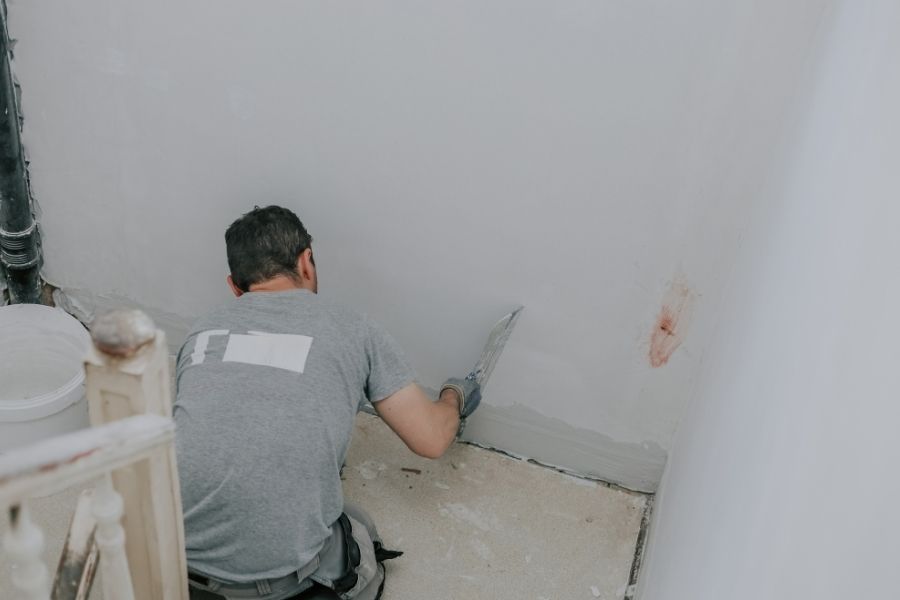
The job isn't done when the mold is gone — proper remediation includes repairing what the mold destroyed.
If you're dealing with a mold situation, or even just suspicious about something growing behind a wall, contact our team for a free estimate. We're available 24/7 and serve Springfield, Branson, Nixa, Ozark, Republic, and communities throughout the Ozarks. As a veteran-owned company with over two decades of experience, we treat every home like it's our own. For more on this topic, check out our guide on choosing between professional and DIY mold removal.
Frequently Asked Questions
Is mold remediation the same thing as mold removal?
No. Mold removal refers to physically cleaning mold off surfaces. Mold remediation is a full process that includes inspection, containment, air filtration, cleaning, moisture correction, and restoration. Remediation addresses the root cause so mold doesn't return, while removal only treats what's visible.
How long does professional mold remediation take?
Most residential projects take between 3 and 7 days, depending on the size of the affected area and how far the moisture has spread. Larger projects involving structural materials or HVAC systems can take longer.
Can I stay in my home during mold remediation?
In many cases, yes. Containment barriers and negative air pressure isolate the work area from the rest of the home. If the mold is widespread or affects the HVAC system, your remediation team may recommend temporarily staying elsewhere.
Does homeowners insurance cover mold remediation in Missouri?
It depends on what caused the mold. Most homeowners policies cover mold remediation when it results from a covered event like a burst pipe or storm damage. Mold from long-term neglect or deferred maintenance is usually not covered.
Dan and Tina Benton are the owners of ABC Environmental Contracting Services, a veteran-owned restoration company serving the Springfield, MO area. Together, they bring over two decades of expertise in water damage restoration, mold remediation, and asbestos removal for both residential and commercial properties. They're committed to serving their community with integrity and dedication, providing 24/7 emergency response when disaster strikes.