How to Prevent Ice Dam Water Damage This Winter
Jump To:
Winter in the Ozarks can be beautiful, but it also brings some real challenges for homeowners. One of the sneakiest problems? Ice dams. These frozen ridges that form along your roof's edge might look harmless, but they can lead to serious water damage in Springfield homes when they start melting. The good news is that preventing ice dam damage is totally doable with the right knowledge and preparation.
We've seen too many panicked calls from homeowners who discovered water staining on their ceilings or walls after a winter thaw. At ABC Environmental Contracting Services in Springfield, we want to help you avoid that stress altogether. Let's talk about how you can protect your home this winter.
What Are Ice Dams and Why They Form
Ice dams happen when heat escapes from your home and warms up the roof. Here's how it works: snow on the warmer upper part of your roof melts, and that water trickles down to the colder eaves where it refreezes. Over time, this creates a ridge of ice that traps even more melting water behind it. Eventually, that trapped water has nowhere to go but under your shingles and into your home.
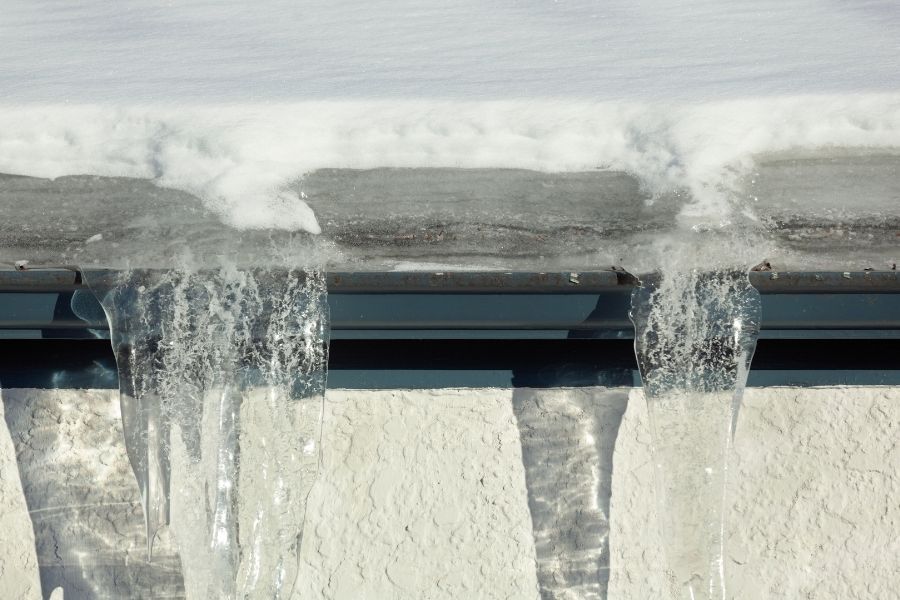
Ice dams form when melting snow refreezes at the roof's edge, creating a barrier that traps water
The main culprits behind ice dam formation are poor insulation, inadequate ventilation, and heat loss through your attic. Missouri winters can be unpredictable, with temperatures swinging above and below freezing, which creates perfect conditions for these ice ridges to develop.
Warning Signs to Watch For
Spotting potential ice dam problems early can save you from costly repairs down the line. Here are some red flags that should get your attention:
Exterior Warning Signs
Large icicles hanging from your gutters aren't just a winter decoration, they're often a sign that ice dams are forming. While a few small icicles are normal, thick clusters indicate that meltwater is refreezing at your roof's edge. You might also notice irregular snow melting patterns on your roof, with some areas bare while others stay covered.
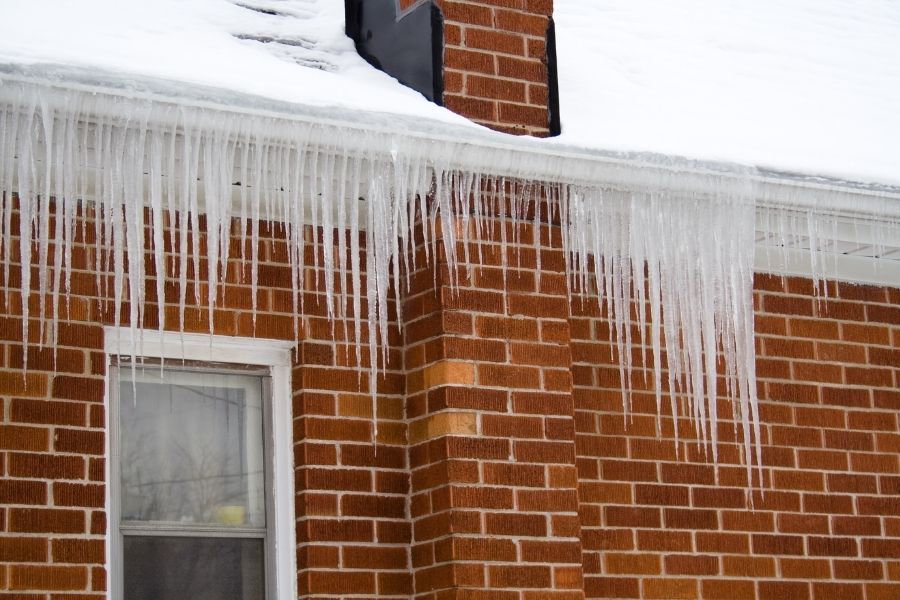
Long, heavy icicles can indicate improper roof ventilation and potential ice dam formation
Interior Warning Signs
Water stains on your ceilings or walls, especially near exterior walls, are a major concern. You might also notice dampness in your attic insulation or even water dripping from ceiling fixtures during a thaw. If you catch a musty smell in upper rooms or the attic, that's another indicator that moisture is getting where it shouldn't be. Left unchecked, this moisture can lead to mold growth, which the EPA warns can cause health issues and structural damage.
Discovered Ice Dam Damage?
Don't wait for the problem to get worse. Our team at ABC Environmental Contracting Services in Springfield is available 24/7 for emergency water damage situations.
Get Your Free EstimateCall us now: (417) 302-3010
Your Ice Dam Prevention Checklist
Preventing ice dams is much easier (and cheaper) than dealing with the water damage they cause. According to the Insurance Institute for Business & Home Safety, proper home maintenance and winterization can significantly reduce your risk of water damage. Here's your game plan for keeping your roof ice dam free this winter:
| Prevention Method | How It Helps | Best Time to Do It |
|---|---|---|
| Improve Attic Insulation | Keeps warm air inside your home instead of heating the roof | Fall, before winter arrives |
| Increase Attic Ventilation | Keeps roof temperature consistent with outside air | Anytime, professional assessment recommended |
| Seal Air Leaks | Prevents warm air from escaping into attic space | Fall, during home weatherization |
| Clean Gutters Regularly | Allows proper water drainage away from roof edge | Late fall, before first snow |
| Remove Excess Snow | Reduces amount of snow available to melt and refreeze | After heavy snowfall (use roof rake from ground) |
Simple Steps You Can Take Right Now
Start by checking your attic insulation levels. The Department of Energy recommends at least R-38 insulation for attics in our region, which translates to about 10 to 14 inches of fiberglass or cellulose. While you're up there, look for any gaps around light fixtures, plumbing vents, or chimneys where warm air might be escaping.
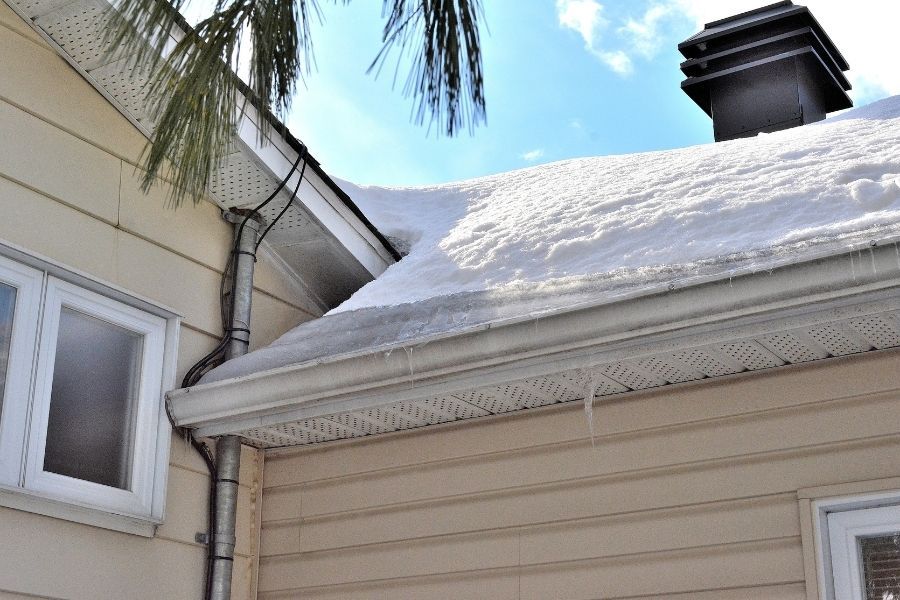
Uneven snow melting patterns can indicate heat loss and potential ice dam development
Keep your gutters clear of leaves and debris. Clogged gutters make it easier for ice dams to form because water has nowhere to drain. And speaking of winter prep, if you haven't already tackled your plumbing, check out our guide on how to winterize pipes before freezing weather hits to protect against burst pipes too.
Long Term Solutions Worth Considering
For homes that struggle with ice dams year after year, some bigger investments might make sense. Ice and water shield membranes installed under your shingles can provide an extra layer of protection. Heat cables along the roof's edge can prevent ice buildup, though they do increase your electric bill. The best long-term fix is often improving your attic's insulation and ventilation system, which also helps with energy efficiency all year round.
When to Call the Professionals
Sometimes, despite your best prevention efforts, ice dams still happen. If you're dealing with active water intrusion or significant ice buildup, it's time to call in the experts. Never try to chip away ice dams yourself, you could damage your roof or hurt yourself in the process.
Our team at ABC Environmental Contracting Services in Springfield has over 20 years of experience handling winter weather damage. We understand how weather patterns affect home restoration needs in the Ozarks, and we're equipped to handle everything from minor leaks to major water damage situations.
If ice dam damage has already led to water intrusion, quick action is critical. Water can spread quickly through insulation, drywall, and structural materials. That's when you might need emergency water extraction to prevent secondary damage like mold growth.
Our Ice Dam Damage Response
When you call us for ice dam damage, here's what we do: First, we assess the extent of water damage and identify all affected areas. Then we extract any standing water and set up professional drying equipment. We document everything for insurance purposes and work directly with your insurance company to make the claims process easier. Finally, we handle repairs and restoration to get your home back to normal.
As a veteran-owned business with 24/7 emergency services, we're here when you need us most. We provide free estimates within 24 hours and guarantee our work with a satisfaction guarantee.
Frequently Asked Questions About Ice Dam Prevention
How quickly can ice dams cause damage to my home?
Ice dams can cause damage within hours once water backs up under your shingles. The water seeps into insulation, drywall, and ceilings, leading to staining, structural damage, and potential mold growth.
Are ice dams covered by homeowners insurance?
Most policies cover the resulting water damage from ice dams, but not the ice dam removal itself. Review your specific policy and document all damage with photos for your insurance claim.
Can I safely remove snow from my roof myself?
You can use a roof rake from the ground to safely remove snow, but never climb onto your roof in winter conditions. For steep roofs or heavy accumulation, hire professionals with proper equipment.
What's the best way to improve attic ventilation to prevent ice dams?
Install a balanced system with intake vents at the soffits and exhaust vents near the roof peak. Aim for one square foot of ventilation per 300 square feet of attic space, and combine this with proper insulation.
Protect Your Springfield Home This Winter
Don't let ice dams ruin your winter. Whether you need help with prevention strategies or you're already dealing with water damage, our experienced team at ABC Environmental Contracting Services in Springfield is ready to help. We're available 24/7 for emergency situations and offer free estimates within 24 hours.
Call us today at (417) 302-3010 or contact us online to schedule a consultation or emergency service.

Dan and Tina Benton are the owners of ABC Environmental Contracting Services, a veteran-owned restoration company serving the Springfield, MO area. Together, they bring over two decades of expertise in water damage restoration, mold remediation, and asbestos removal for both residential and commercial properties. They're committed to serving their community with integrity and dedication, providing 24/7 emergency response when disaster strikes.