How Weather Affects Mold Growth in Basements During Winter
Jump To:
When most people think about mold problems, they picture hot, humid summer days. But here's the thing: winter can be just as bad for mold growth in Springfield basements, and sometimes even worse. The combination of freezing temperatures outside and heated air inside creates the perfect recipe for moisture problems that most homeowners don't see coming until it's too late.
At ABC Environmental Contracting Services in Springfield, we've responded to countless winter mold situations where homeowners were caught completely off guard. They assumed their basement was fine because it wasn't humid outside, but mold doesn't follow those rules. Let's talk about what's really happening in your basement this winter and what you can do about it.
Why Winter Creates Perfect Mold Conditions in Basements
Your basement during winter is basically dealing with a weather battle between two extremes. Outside, temperatures in the Ozarks can drop well below freezing, while inside, your heating system is working overtime to keep things comfortable. This creates what we call thermal bridging, where cold foundation walls meet warm indoor air, and that's where the trouble starts.
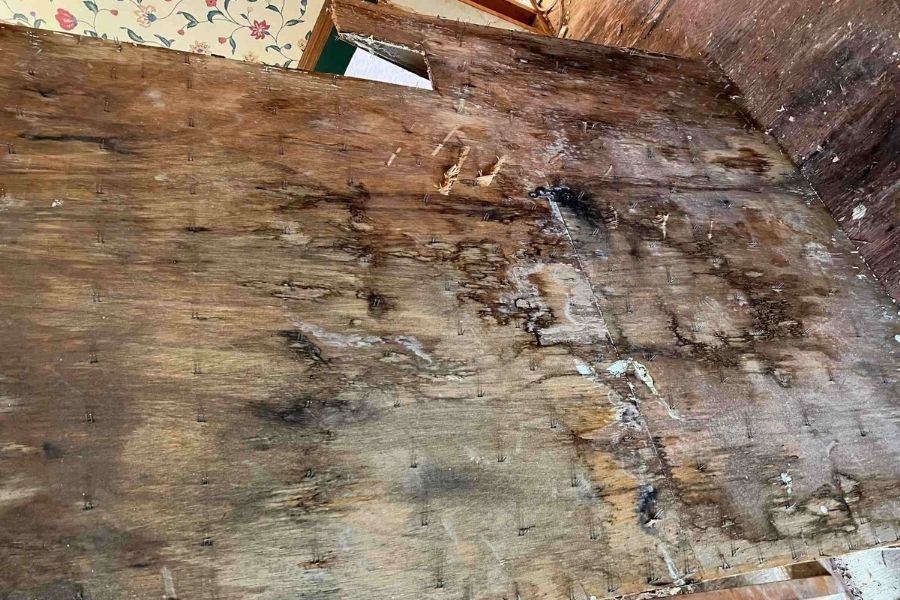
Water intrusion in basements can lead to serious structural damage and mold growth if not addressed quickly.
Mold spores are everywhere, all year long. They're just waiting for the right conditions, and winter basements give them exactly what they need: moisture and relatively stable temperatures. Even when it feels dry, condensation forms on cold surfaces, providing enough water for mold colonies to establish themselves and spread.
Temperature Swings and Condensation Problems
Springfield winters are unpredictable. One day it's 20 degrees, the next it's pushing 50, then back down again. These temperature swings wreak havoc on basement moisture levels. When warm air from your heating system hits those cold concrete walls and floors, moisture literally appears out of nowhere through condensation.
The worst part? You might not even notice it happening. The condensation often forms in areas you don't regularly check, like behind stored boxes, in crawl spaces, or along the bottom edges of walls. By the time you spot the musty smell or see visible mold growth, it's already been thriving for weeks or even months.
Winter Basement Mold Conditions
| Weather Condition | Mold Risk Level | Why It Matters |
|---|---|---|
| Temperature below 32°F for 3+ days | High | Increased heating creates more condensation on cold surfaces |
| Rapid temperature swings (20+ degrees in 24 hours) | Very High | Creates maximum condensation as air rapidly warms and cools |
| Snow accumulation followed by thaw | Extreme | Melting snow increases groundwater that can seep through foundation |
| Winter rain on frozen ground | Extreme | Water can't absorb into frozen soil, leading to foundation seepage |
Hidden Winter Moisture Sources in Basements
Most people don't realize just how many ways moisture gets into basements during winter. It's not always obvious flooding or burst pipes. Sometimes it's slow, steady accumulation from sources you'd never suspect.
Frozen Ground and Foundation Seepage
When the ground freezes solid in January and February, it creates a waterproof barrier at the surface. Any winter rain or snowmelt has nowhere to go except sideways, which means it flows right toward your foundation. Even small amounts of water finding tiny cracks can create significant moisture problems inside.
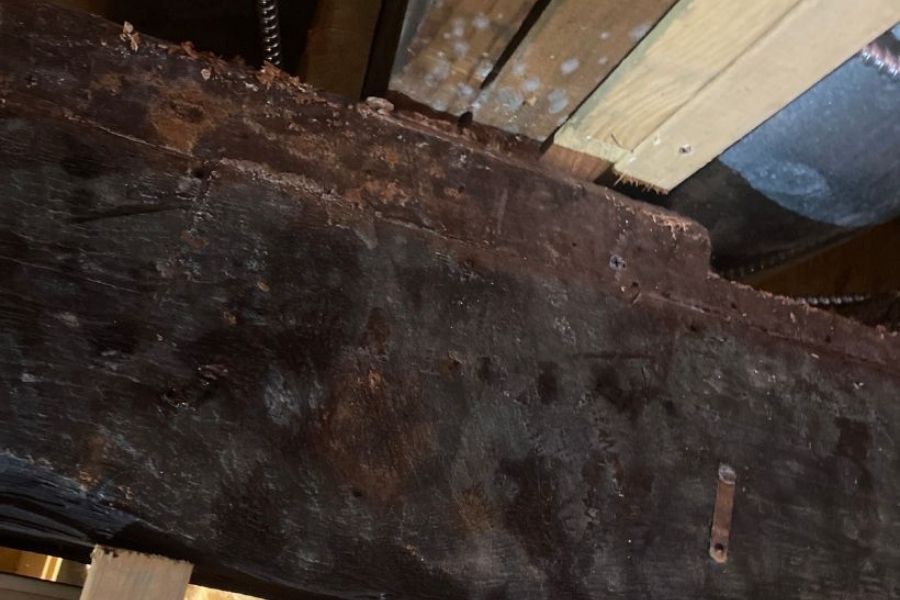
Wood support beams in basements are particularly vulnerable to mold when exposed to consistent moisture.
Ice Dams and Roof Drainage
Ice dams aren't just a roof problem. When gutters freeze and overflow, that water has to go somewhere, and it often ends up pooling around your foundation. Even if you don't see it coming in, the moisture from that pooling water can wick through concrete and create damp conditions inside your basement walls.
Worried About Mold in Your Basement?
Don't wait for a small problem to become a major health hazard. Our team at ABC Environmental Contracting Services in Springfield offers free mold inspections and 24/7 emergency response.
Get Your Free InspectionCall us now: (417) 302-3010
Indoor Moisture Generation
During winter, your home is sealed up tight to keep heat in. That means moisture from cooking, showers, laundry, and even breathing has fewer places to escape. In many homes, this moisture-heavy air sinks down into the basement where it condenses on cold surfaces. If you're using a basement as a laundry room or storage area with poor ventilation, you're basically creating a mold factory.
Preventing Winter Basement Mold Growth
The good news is that winter basement mold is preventable if you know what to watch for and take a few key steps. You don't need expensive equipment or major renovations, just some attention to detail and consistent monitoring.
Maintain Consistent Temperature
Keep your basement at a relatively stable temperature throughout winter. You don't need it to be as warm as your living spaces, but keeping it above 60 degrees helps reduce condensation. Avoid turning the heat way down when you're away, as those temperature swings create more moisture problems than the energy you save is worth.
Control Humidity Levels
Invest in a decent dehumidifier for your basement. Keep humidity levels between 30-50% during winter. Yes, even in winter when the air feels dry outside, your basement can be holding too much moisture. Check your dehumidifier's reservoir regularly and make sure it's draining properly.
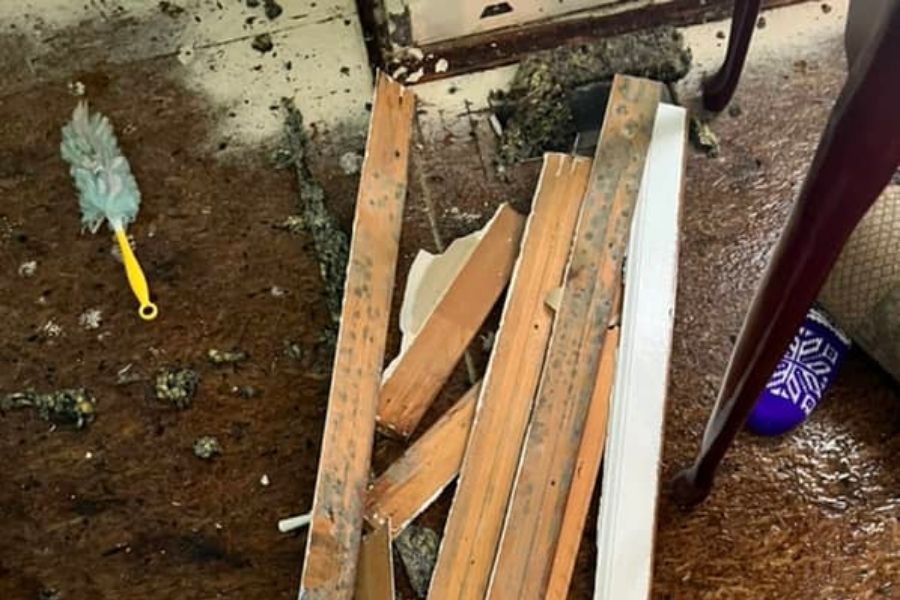
Baseboards and flooring are often the first places where water damage and mold become visible in basements.
Improve Air Circulation
Stagnant air is mold's best friend. Even in winter, run a fan in your basement occasionally to keep air moving. Don't block heating vents, and make sure air can circulate around stored items. Leave some space between boxes and walls, and avoid piling things directly on concrete floors.
Check for Water Intrusion
Walk your basement perimeter monthly during winter. Look for:
- ✅ Damp spots on walls or floors
- ✅ Efflorescence (white, chalky deposits) on concrete
- ✅ Musty odors that weren't there before
- ✅ Condensation on windows or pipes
- ✅ Visible mold growth in corners or along baseboards
According to the EPA's guidance on home moisture problems, addressing moisture issues in basements and crawlspaces within 24-48 hours can prevent most mold growth from taking hold. That's why regular inspections matter so much during winter months.
When to Call Professional Mold Remediation
Some basement mold situations are DIY-friendly. A small spot of surface mold on a painted wall? You can probably handle that with proper cleaning supplies. But there are clear signs that you need professional help from a team like ours at ABC Environmental Contracting Services in Springfield.
Call professionals immediately if you notice any of these warning signs:
- ✅ Mold covering more than 10 square feet of surface area
- ✅ Mold growth inside walls, HVAC systems, or behind finished surfaces
- ✅ Musty odors that won't go away even after cleaning
- ✅ Recent water damage from flooding or burst pipes
- ✅ Health symptoms like respiratory issues, headaches, or allergic reactions
- ✅ Mold returning after you've cleaned it
Professional mold remediation isn't just about removing what you can see. It's about identifying the moisture source, containing the affected area to prevent spread, removing contaminated materials safely, treating remaining surfaces, and fixing the underlying problem so it doesn't come back. That's especially important in winter when moisture sources are often hidden or weather-related.
We've seen too many homeowners try to tackle serious mold problems themselves, only to make things worse by spreading spores throughout their home or failing to address the root cause. Professional equipment like negative air machines, HEPA filters, and moisture meters make a real difference in thorough remediation. The CDC provides important information about mold and health that every homeowner should understand, especially when dealing with ongoing exposure.
Our team has helped families across Springfield prepare for winter weather challenges for over 20 years. We understand exactly how Missouri's unique winter weather patterns affect homes in this region, and we know how to solve moisture and mold problems permanently.
Frequently Asked Questions About Winter Basement Mold
Can mold grow in cold basements during winter?
Yes, mold only needs moisture and temperatures above 40 degrees to grow, both of which are common in winter basements due to condensation from heating systems meeting cold surfaces.
Why does my basement smell musty only in winter?
Winter condensation creates hidden moisture behind stored items and along walls, while sealed-up homes trap the musty odors inside with nowhere to escape.
Should I run a dehumidifier in my basement during winter?
Yes, keep basement humidity between 30-50% year-round with a dehumidifier rated for cooler temperatures, as winter condensation and poor ventilation can maintain high moisture levels even when outdoor air feels dry.
How do I know if my basement has a mold problem that needs professional help?
Call professionals if mold covers more than 10 square feet, keeps returning after cleaning, causes persistent musty odors, or if anyone experiences respiratory symptoms.
Don't Let Winter Mold Take Over Your Basement
At ABC Environmental Contracting Services in Springfield, we've been protecting Ozark families from mold damage for over 20 years. As a veteran-owned business, we bring the same attention to detail and commitment to every mold remediation project that we learned in service.
We're available 24/7 for emergency mold situations, and we offer free inspections with our satisfaction guarantee. If you're dealing with basement moisture problems, musty odors, or visible mold growth this winter, don't wait for it to get worse.
Schedule Your Free Inspection TodayCall us anytime: (417) 302-3010
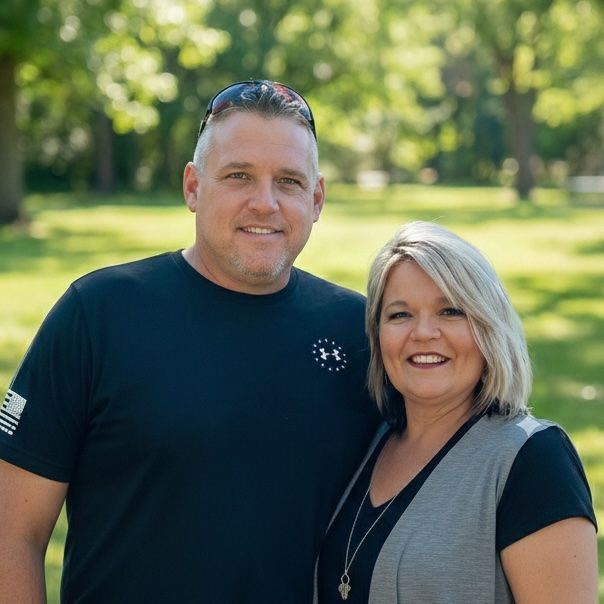
Dan and Tina Benton are the owners of ABC Environmental Contracting Services, a veteran-owned restoration company serving the Springfield, MO area. Together, they bring over two decades of expertise in water damage restoration, mold remediation, and asbestos removal for both residential and commercial properties. They're committed to serving their community with integrity and dedication, providing 24/7 emergency response when disaster strikes.